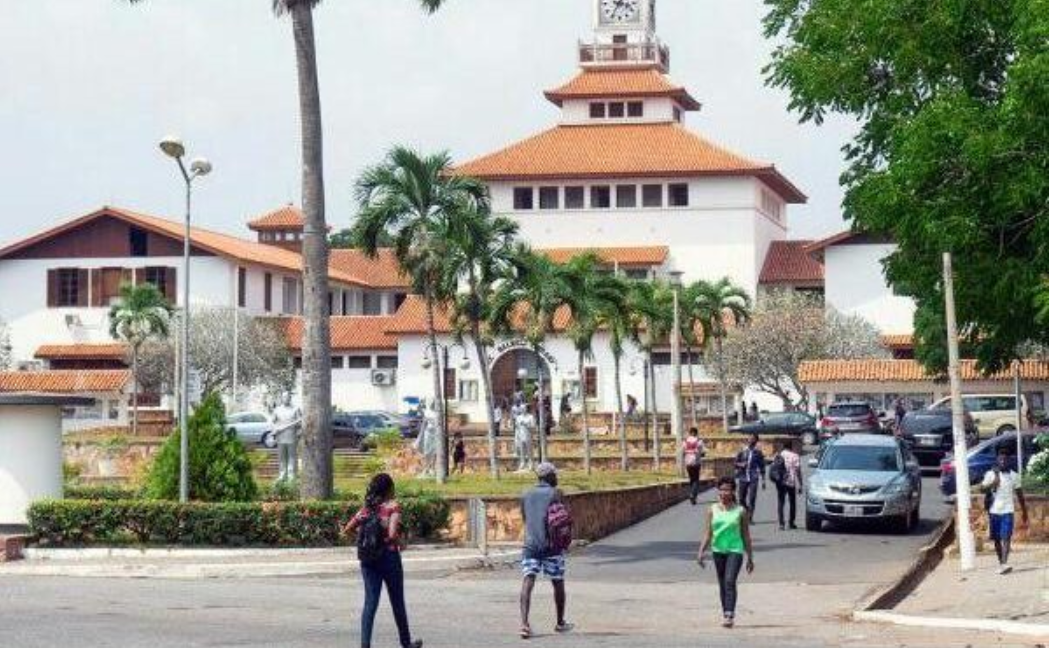
The University of Ghana has told undergraduate students whose Cumulative Grade Point Average fell below 1.00 at the close of the 2025/2026 academic year to withdraw from their programmes. The Academic Affairs Directorate announced the directive in a notice posted on Facebook on Thursday, October 22, according to Adomonline.com.
The university said the move follows Section 9.26 of its Regulations for Junior Members (2017), the rulebook that sets the academic standards students must satisfy to stay enrolled. Adomonline.com reports that the notice was shared through the Directorate's Facebook page.
Why it matters
The notice confirms that Ghana's oldest and largest university applies a hard academic floor rather than a period of probation. Under the regulation cited, undergraduates must keep a CGPA of at least 1.00 and also satisfy any extra conditions set by their school or department before they can move to the next level of study.
Because the university's rules make no provision for academic probation, a student whose CGPA stays under the threshold once all grades for registered courses have been released has no route to remain in the programme. That leaves affected students facing an exit rather than a warning, a distinction that matters for families planning finances and for students weighing whether to appeal, repeat courses or transfer.
The timing is also significant. The directive covers results from the full 2025/2026 year, meaning it lands after final grades are in and after students have already committed a year of fees and study time.
How affected students are meant to proceed
The Directorate asked students to confirm their academic standing through the university's Management Information System (MIS) Web before taking any step. Those who need to leave are to start the process on the Student and Staff Portal (STS).
According to the notice, a student logs in to the STS Portal with a student ID and PIN, then chooses the "Withdrawal Request" option to file the application. The university added that for some programmes, the relevant school or department will carry out the withdrawal on the student's behalf instead of leaving it to the individual.
For questions about academic status or the procedure itself, students were directed to their College Academic Offices. The university also pointed affected students toward its Careers and Counselling Directorate, which offers guidance to students dealing with academic difficulty.
Adomonline.com's report did not say how many students are affected, which programmes are involved, or whether any deadline applies to the withdrawal requests.
A rulebook with no probation option
The regulation at the centre of the notice, Section 9.26, is part of the 2017 Regulations for Junior Members, the framework that governs undergraduate conduct and progression at the university. The Directorate's explanation makes clear that the section is being read strictly: progression depends on clearing the 1.00 CGPA mark, and where a student does not, the regulations offer no holding period during which grades could be improved while still enrolled.
That reading puts the emphasis on the point at which results become final. The notice specifies that the threshold applies after all grades for registered courses have been released, which means a student's standing is judged on the complete set of results rather than on partial releases during the year.
Students who believe a grade has been recorded incorrectly would therefore need to raise the matter through their college offices before the withdrawal process advances, since the notice routes all clarification through those offices.
What to watch: whether the university publishes a figure for affected students, and whether any faculty exercises the option to handle withdrawals itself rather than requiring students to file through the STS Portal.